Orthognathic Surgery (Jaw Surgery) in Austin, TX
Dr. Khansa is a Harvard Medical School graduate, certified by the American Board of Plastic Surgery, named an Austin Monthly Top Doctor in 2026, and specializes in orthognathic surgery for adults and teenagers.
When your jaws are misaligned (too far forward, too far back, or at odd angles) it affects not just how you look, but how you function: chewing, breathing, sleep, and speech.
Orthognathic surgery (jaw surgery) combined with orthodontics aligns your jaws for optimal function, natural aesthetics, and often dramatic life improvement.
Dr. Khansa's is a craniofacial surgeon with extensive expertise in handling the most complex jaw cases.


Jump to Section
Who is a good candidate for orthognathic surgery?
Your orthognathic surgery consultation with Dr. Khansa
Virtual Surgical Planning (VSP)
Orthognathic Surgery Techniques
Orthognathic surgery: The procedure
Recovery after orthognathic syrgery
Orthognathic Surgery for Sleep Apnea
Insurance Coverage for orthognathic surgery
Why choose Dr. Khansa for orthognathic surgery in Austin?
Learn more about orthognathic surgery
Schedule your orthognathic surgery consultation in Austin today
Ready to take the next step? Dr. Khansa offers personalized consultations with evening and weekend availability.
📍 3305 Northland Dr., Suite 210, Austin, TX 78731
📞 (512) 615-6566 (call or text)
🗓️ Schedule online below
What Is Orthognathic Surgery?
Orthognathic surgery (also called jaw surgery or corrective jaw surgery) is a surgical procedure that repositions the upper jaw (maxilla), lower jaw (mandible), or both to correct misalignment. It can achieve transformative changes to facial appearance, bite function, and quality of life.
Orthognathic surgery serves structural, functional and cosmetic functions: it corrects bite problems, improves jaw function, and achieves facial harmony.
Dr. Khansa specializes in "custom jaw surgery", where the jaw surgery is personalized to your specific anatomy and goals.
Types of Jaw Misalignment
Class II Malocclusion (Overbite): The lower jaw is positioned too far back, and/or the upper jaw is positioned too far forward. This creates an excessive overbite and often a "weak" chin appearance. Class II can cause TMJ problems, breathing issues, and difficulty chewing.
Class III Malocclusion (Underbite): The lower jaw is positioned too far forward, and/or the upper jaw is positioned too far back. This creates an underbite (lower front teeth in front of upper front teeth). Underbite can significantly impact appearance and function.
Vertical Maxillary Excess (Gummy Smile): The upper jaw is positioned too low or is too long, causing too much of the upper teeth and gum to show when talking or smiling.
Anterior Open Bite: The front teeth don't touch when biting down (there's a gap between upper and lower front teeth). This can affect chewing and speech.
Dr. Khansa evaluates your specific jaw structure and malocclusion to customize the surgical technique to your specific problem.


Who Is a Good Candidate for Orthognathic Surgery?
You may be a good candidate for orthognathic surgery if you:
Have a significant jaw misalignment (Class II or Class III malocclusion)
Experience difficulty chewing or swallowing
Have breathing problems or sleep apnea related to jaw position
Have an open bite or gummy smile
Are bothered by your facial appearance
Are in good overall health with realistic expectations
Are an adult, or a teenager with completed facial growth (typically age 16+ for girls, 17+ for boys)
Important note: Orthognathic surgery requires coordination with an orthodontist. Treatment typically involves 18-24 months of braces before surgery, then 6-12 months of braces after.
Your Orthognathic Surgery Consultation with Dr. Khansa
Every orthognathic case begins with a detailed evaluation. Dr. Khansa will:
Review your bite, jaw position, and facial aesthetics
Assess breathing function and sleep history
Perform Virtual Surgical Planning (VSP) (3D computer modeling) of your specific surgery
Coordinate with your orthodontist
Explain the surgical plan and expected outcomes
Discuss recovery, timeline, and any concerns
Answer all questions
Evening and weekend consultations are available.
Virtual Surgical Planning (VSP)
Dr. Khansa uses advanced 3D computer modeling to plan your exact surgery before entering the operating room. VSP allows him to:
Visualize the exact jaw movements needed
Predict the final facial appearance
Identify potential issues before surgery
Create surgical guides for precision
Show you realistic before-and-after simulations
This technology ensures maximum precision and predictability.
Orthognathic Surgery Techniques
Dr. Khansa uses several surgical approaches depending on your specific jaw misalignment:
LeFort I (upper jaw surgery): An incision is made inside the mouth above the teeth. The upper jaw is carefully repositioned forward, backward, or rotated as needed. The bones are secured with small plates and screws.
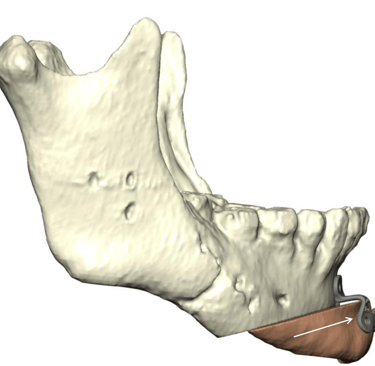
BSSO (Bilateral Sagittal Split Osteotomy - lower jaw surgery): An incision is made inside the mouth. The lower jaw bone is carefully split and repositioned forward or backward. The bones are secured with small screws.
Double Jaw Surgery (bimaxillary surgery): LeFort 1 and BSSO performed at the same time
Genioplasty (Chin Surgery): The chin bone is moved or reshaped.



Orthognathic Surgery: The Procedure
Orthognathic surgery is performed under general anesthesia. Patients stay in the hospital 1-2 nights.
Most of the incisions are made inside the mouth. There is a tiny incision (2mm) on each cheek.
Upper jaw only: 2-3 hours
Lower jaw only: 2-3 hours
Double jaw surgery: 3-4 hours
After surgery, your jaws are typically stabilized with orthodontic rubber bands (not wired shut in most cases).
Recovery after Orthognathic Surgery
Recovery from orthognathic surgery is gradual. Swelling peaks at day 3-5, then slowly improves. Here's what to expect:
Days 1-3: Swelling, bruising, numbness in lips and chin (normal and expected). Pain is moderate.
Week 1: Significant swelling; soft diet only. Many take 1 week off work/school.
Weeks 2-3: Swelling begins to improve noticeably. Can return to desk work. Soft diet continues.
Weeks 4-6: Significant improvement in swelling and comfort. Can resume light exercise. Gradually transition to normal diet.
Weeks 8-12: Most swelling resolved; bite feels more natural. Return to full activity.
Months 6-12: Final results visible as remaining swelling resolves and you adapt to your new bite. Orthodontic treatment continues.
Numbness note: Lip and chin numbness is common after jaw surgery. Sensation typically returns over weeks to months, though some permanent numbness is possible.
Orthognathic Surgery for Sleep Apnea
If you have obstructive sleep apnea (OSA) caused by a recessed jaw, advancing the upper and/or lower jaw may significantly improve or even resolve your sleep apnea. This is a major quality-of-life benefit and often qualifies for insurance coverage.
If you have sleep apnea and jaw misalignment, discuss this with Dr. Khansa during your consultation.
Insurance Coverage for Orthognathic Surgery
Orthognathic surgery often qualifies for insurance coverage because it's reconstructive (functional). Insurance typically covers the procedure if:
You have documented severe malocclusion
Conservative treatment (braces alone) is inadequate
Surgery is medically necessary for function
You meet your plan's specific criteria
Dr. Khansa's team handles insurance pre-authorization and can help determine your coverage.
Why Choose Dr. Khansa for Orthognathic Surgery in Austin?
Craniofacial-trained: specialized expertise in jaw and facial structure
Harvard Medical School graduate
Certified by the American Board of Plastic Surgery (ABPS)
2026 Austin Monthly Top Doctor
Expert in custom jaw surgery techniques (LeFort, BSSO, double jaw surgery, genioplasty)
Uses Virtual Surgical Planning for precision and predictability
Extensive experience coordinating with orthodontists
Expert in sleep apnea improvement through jaw advancement
Evening and weekend consultations available
Located at 3305 Northland Dr., Suite 210, Austin, TX 78731
Learn more about orthognathic surgery at Khansa Plastic Surgery
FAQs
🔍 How long does orthognathic surgery take?
Single jaw surgery (upper or lower) typically takes 2-3 hours. Double jaw surgery (both upper and lower jaws) takes 3-4 hours. Exact time depends on the complexity of your case and what Dr. Khansa needs to accomplish.
🔍 Will I have visible scars?
Most of the incisions are made inside the mouth. There is one tiny incision (2mm) on each cheek, which becomes imperceptible after it is healed.
🔍 Will my bite feel different after surgery?
Yes, initially. Your bite will feel different and strange for the first few weeks. This is completely normal. As swelling resolves and you adapt over weeks to months, your bite will feel increasingly natural.
🔍 How long will I be numb after surgery?
Numbness in the lips and chin is common immediately after surgery. Sensation typically returns significantly over weeks to months. Some patients experience mild permanent numbness, though complete permanent numbness is rare.
🔍 Will my teeth feel loose after surgery?
Your teeth may feel slightly loose immediately after surgery due to the bone being repositioned. This resolves as the bone heals, typically within a few weeks.
🔍 Do I have to have my jaws wired shut?
No. Modern orthognathic surgery uses plates and screws to stabilize the jaws, so wiring is usually not necessary. Instead, Dr. Khansa uses rubber bands between your braces.
🔍 How long does it take to eat normally again?
Initially, a soft diet (no chew) is necessary. You will be able to transition to a normal diet after 6 weeks.
🔍 Will my face look very different after surgery?
Yes, but the change is positive and makes your face more balanced and proportionate. Most patients love their new appearance and improved function.
🔍 Can orthognathic surgery improve my sleep apnea?
Yes. If your sleep apnea is caused by a recessed jaw blocking your airway, advancing the jaw through orthognathic surgery often significantly improves or eliminates sleep apnea. This is a major quality-of-life benefit.
🔍 How much time off work will I need?
Most patients take 1-2 weeks off work after orthognathic surgery. If you have a physically demanding job, you may need more time.
🔍 How do I decrease my risk of complications after orthognathic surgery?
There are essential steps you must take to ensure a smooth recovery after orthognathic surgery:
Prevent infection and wound healing problems: Do not smoke, or use any form of tobacco, nicotine or vaping for 6 weeks before surgery, until 6 weeks after surgery
Accelerate your recovery: Eat a high protein diet. Drink plenty of fluids
Prevent blood clots: If you are on an oral contraceptive pill that contains estrogen, stop it 6 weeks before surgery and do not restart it until 6 weeks after surgery. You must walk at least 5 times a day, starting on the evening of surgery
Prevent pneumonia: Take deep breaths throughout the day, and cough if you need to
Prescriptions: Take prescription pain medications as instructed. Do not take herbal or homeopathic medications unless approved by Dr. Khansa, as these can cause bleeding and abnormal blood pressure
Schedule your orthognathic surgery consultation in Austin today
Ready to take the next step? Dr. Khansa offers personalized consultations with evening and weekend availability.
📍 3305 Northland Dr., Suite 210, Austin, TX 78731
📞 (512) 615-6566 (call or text)
🗓️ Schedule online below
3305 Northland Dr., Suite 210, Austin, TX 78731
DrKhansa@KhansaPlasticSurgery.com
(512) 615-6566 (call or text)
(281) 962-8002
© 2026. All rights reserved.