Rhinoplasty for Adults & Teenagers in Austin, TX
Dr. Khansa is a Harvard Medical School graduate, certified by the American Board of Plastic Surgery, and named an Austin Monthly Top Doctor in 2026. As a craniofacial, board-certified plastic surgeon, Dr. Khansa is a top rhinoplasty expert in Austin, with years of experience serving patients
Schedule your rhinoplasty consultation in Austin today
Ready to take the next step? Dr. Khansa offers personalized consultations with evening and weekend availability.
📍 3305 Northland Dr., Suite 210, Austin, TX 78731
📞 (512) 615-6566 (call or text)
🗓️ Schedule online below
What Is Rhinoplasty?
Rhinoplasty (commonly called a "nose job") is a surgical procedure that reshapes the nose to improve its appearance, restore proportion to the face, or improve nasal breathing. It is one of the most technically demanding procedures in plastic surgery, requiring a surgeon with deep knowledge of nasal anatomy and facial aesthetics.
Dr. Khansa's craniofacial training gives him a rare level of expertise in nasal structure that most plastic surgeons don't have, making him a top Austin rhinoplasty surgeon, and an expert in both both cosmetic and functional nasal issues.
Who Is a Good Candidate for Rhinoplasty?
You may be a good candidate for rhinoplasty if you:
Are bothered by the size, shape, or symmetry of your nose
Have a dorsal hump (bump on the bridge) you'd like refined
Feel your nasal tip droops, is too wide, or lacks definition
Have a deviated septum causing breathing difficulty or chronic congestion
Experience migraine headaches related to your nasal anatomy
Are an adult, or a teenager whose nasal development is complete (typically around age 15-16 for girls, 16-17 for boys)
Are in good overall health with realistic, specific goals
Your Rhinoplasty Consultation with Dr. Khansa
Every rhinoplasty at Khansa Plastic Surgery begins with a detailed, in-person evaluation. Dr. Khansa examines your nose from all angles, assessing:
Nasal bones: are they straight, and is the width appropriate?
Nasal tip: are the shape and projection balanced?
Alar width: does the base of the nose suit your face?
Dorsal profile: is the contour smooth, or is there a hump?
Septum & turbinates: is there a deviated septum or enlarged turbinates affecting breathing?
From this exam, Dr. Khansa builds a fully customized surgical plan. There is no one-size-fits-all rhinoplasty here. Your rhinoplasty is personalized for you.
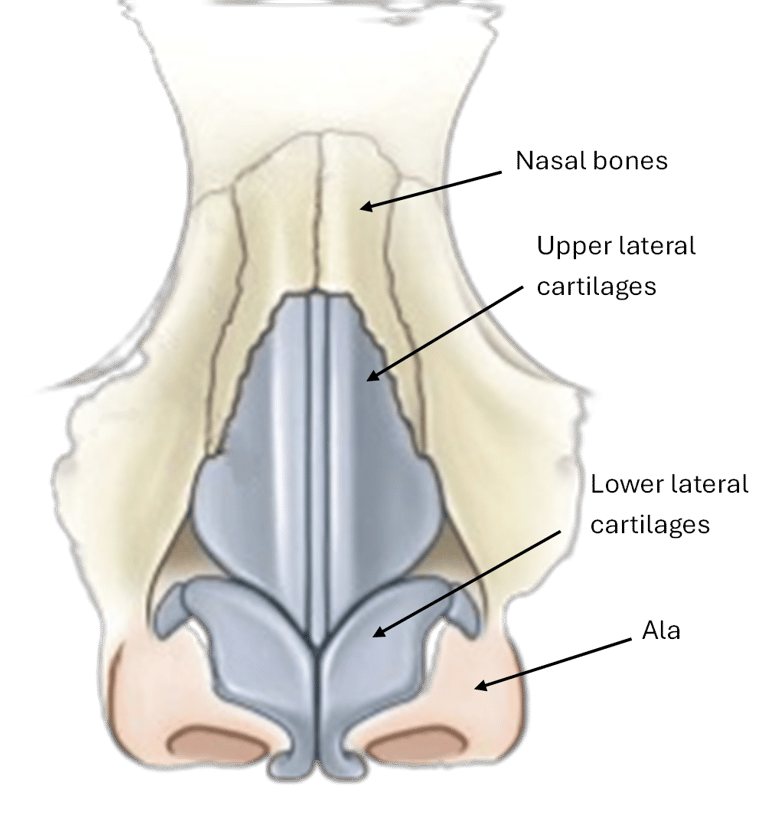
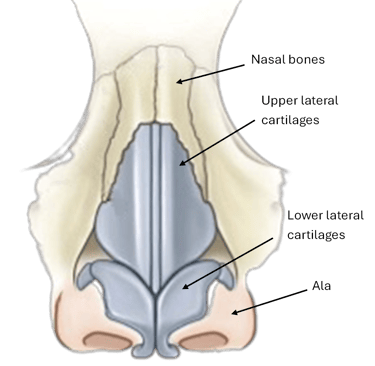
Are the nasal bones straight?
Is the width of the nasal bones appropriate?
Is the shape of the nasal tip pleasant?
Is the width of the alae appropriate?
Front view
Side view
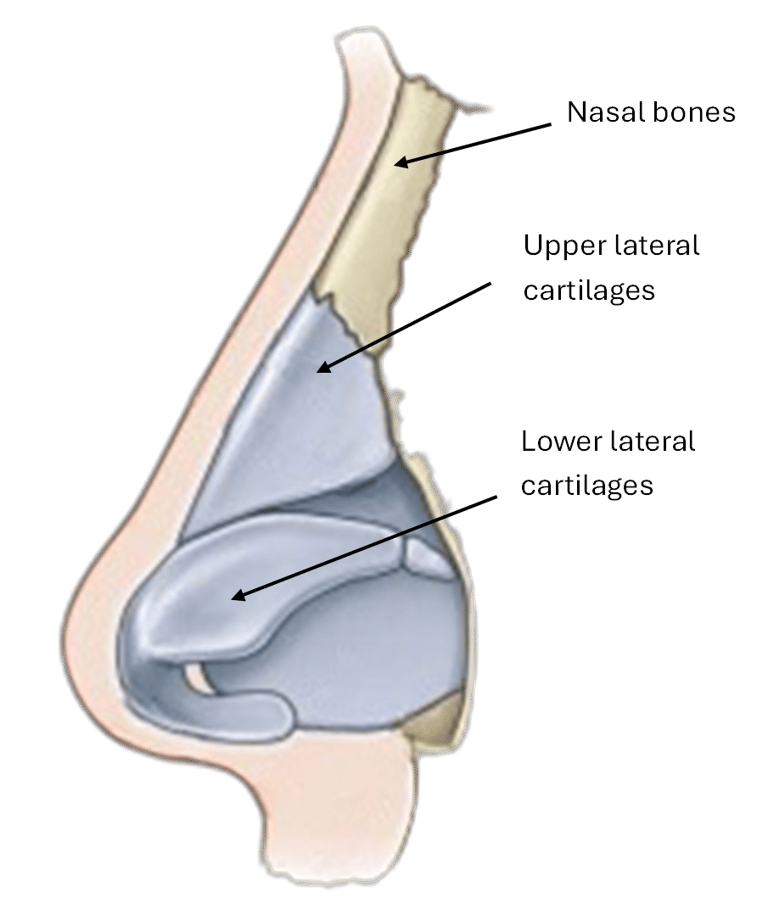
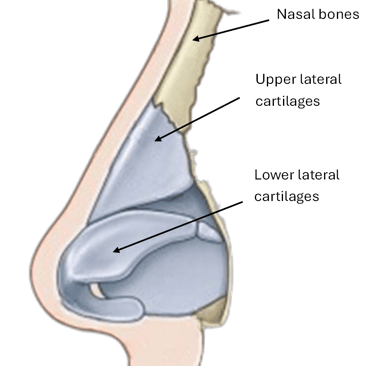
Is the contour of the bones and cartilages pleasant? Is there a dorsal hump?
Does the nasal tip droop?
Is the projection of the tip appropriate?
Is there a supratip break?
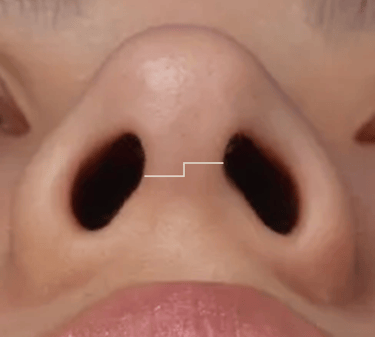
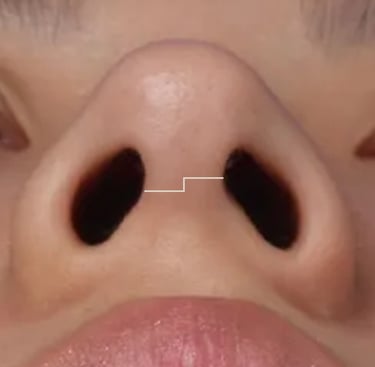
Base view
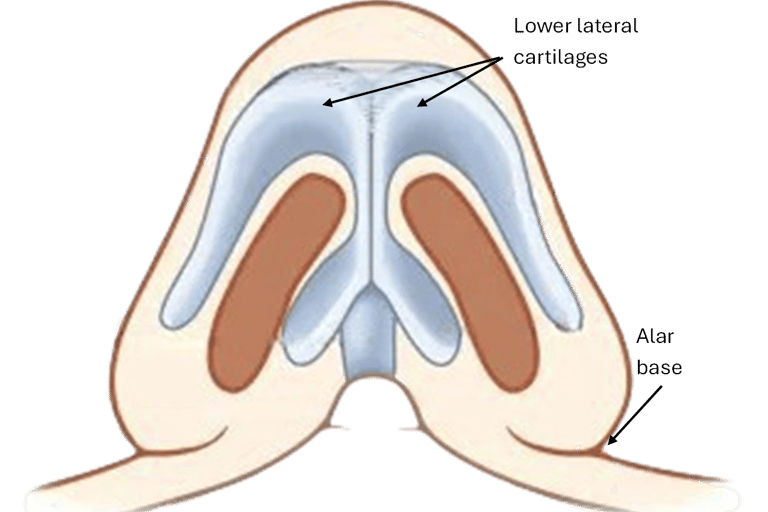
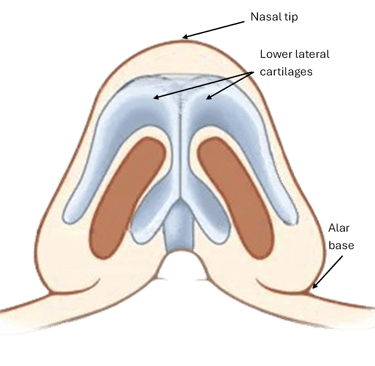
Is the shape of the nasal tip pleasant?
Is the width of the alar base appropriate?
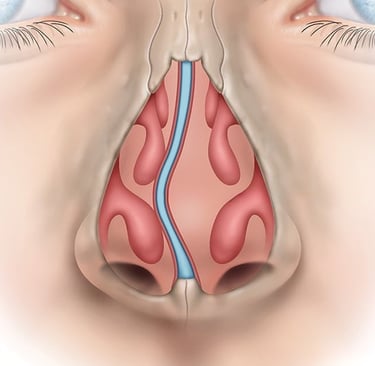
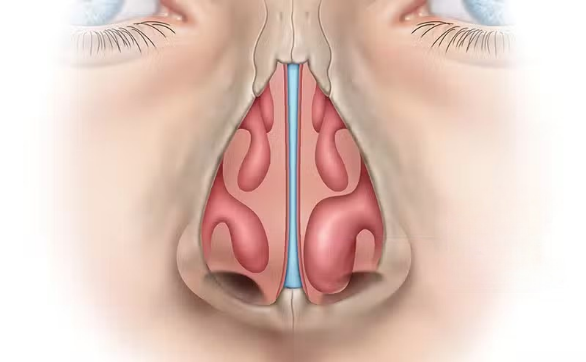
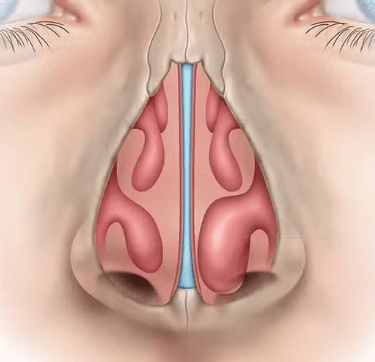
Intranasal view
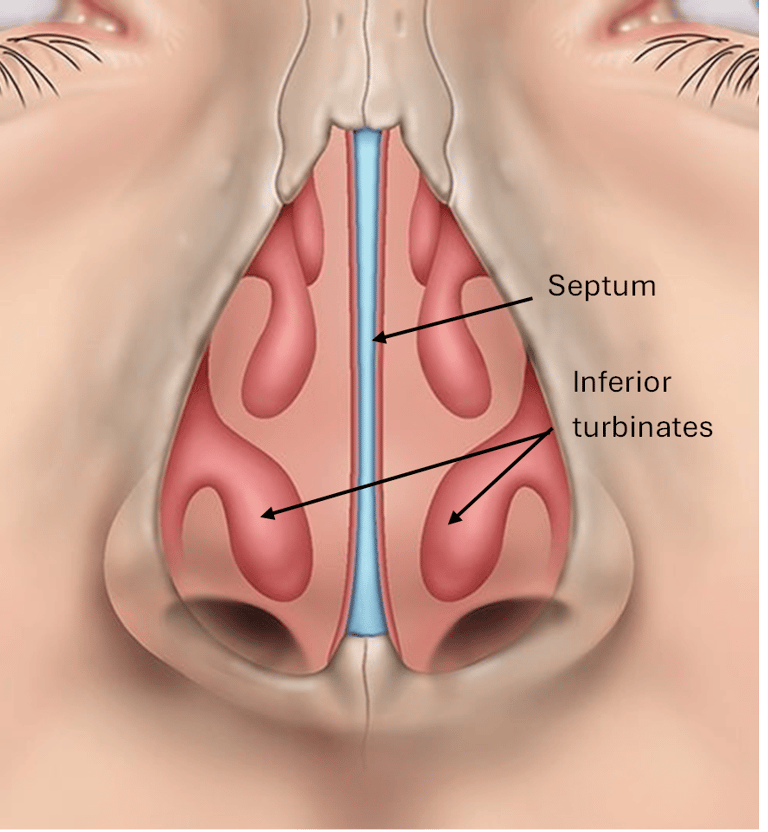
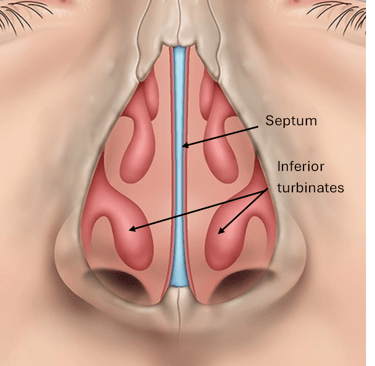
Is the septum deviated?
Are the turbinates enlarged?
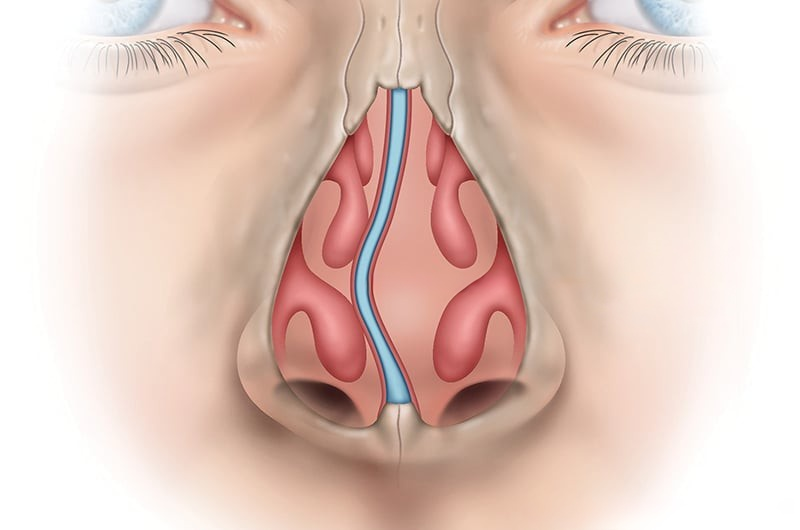
Did you know?
A deviated septum and enlarged turbinates can cause difficulty breathing and migraine headaches
Rhinoplasty: The Procedure
Dr. Khansa will design a customized surgery plan for you, and will perform an expert rhinoplasty
Open vs. Closed Rhinoplasty: Dr. Khansa performs both techniques and will recommend the right approach for your anatomy:
➤ Closed rhinoplasty: all incisions are placed inside the nose, leaving no visible external scars. Ideal for more limited reshaping.
➤ Open rhinoplasty: includes a small additional incision at the columella (the strip of skin between the nostrils), allowing greater visibility and precision for more complex cases. The scar is typically imperceptible once healed.
What Dr. Khansa Addresses: Depending on your goals, your rhinoplasty may include:
➤ Cartilage reshaping: refining the nasal tip, narrowing wide cartilages, or adding projection
➤ Bone work (osteotomy): straightening the nasal bones or narrowing the bridge after hump removal
➤ Septoplasty: correcting a deviated septum to improve airflow
➤ Turbinate reduction: reducing enlarged turbinates that restrict breathing
In most cases, Dr. Khansa addresses both cartilage and bone together for the most harmonious, lasting result.
Rhinoplasty is performed under general anesthesia as an outpatient procedure. The surgery typically takes 2 to 3 hours.
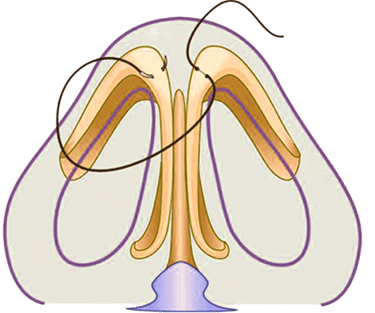
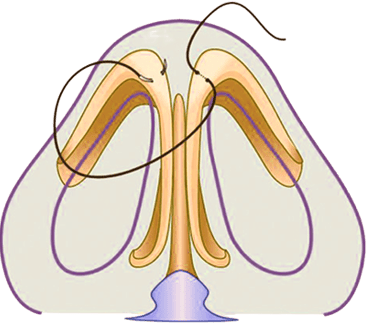
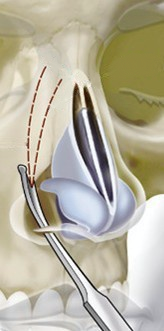

Nasal bone osteotomy
Reshaping of the nasal tip cartilage
Incision for open rhinoplasty
Recovery after Rhinoplasty
Rhinoplasty recovery is gradual. The nose refines over months, as the swelling decreases.
Days 1-3: Swelling, bruising around the eyes, nasal congestion
Week 1-2: Splint or cast removed; significant improvement in appearance. Return to desk work and light activity
Week 2-3: Most bruising resolves
Week 4-6: Resume light exercise. Tip remains swollen
Months 3-6: Nose continues to refine. Breathing improvement fully apparent
Month 12: Final result. The nose fully settles into its new shape as swelling resolves
Dr. Khansa provides detailed post-operative care instructions and is available to answer questions at every stage of recovery.
Why Choose Dr. Khansa for Rhinoplasty in Austin?
Harvard Medical School graduate
Certified by the American Board of Plastic Surgery (ABPS)
2026 Austin Monthly Top Doctor
Over 70 peer-reviewed publications. A surgeon who stays at the cutting edge
Craniofacial-trained. Specialized expertise in the bones, cartilages, and soft tissue of the face beyond standard plastic surgery training
Treats both cosmetic and functional nasal concerns in a single procedure
Evening and weekend consultations available
Conveniently located off the Mopac at 3305 Northland Dr., Suite 210, Austin, TX 78731
🔍 What is the difference between open and closed rhinoplasty?
Closed rhinoplasty keeps all incisions inside the nose (no external scar). Open rhinoplasty adds a small incision at the columella (the tissue between your nostrils), giving Dr. Khansa greater access to reshape the tip and more complex structures. He will recommend the right approach based on your anatomy and goals.
🔍 Can rhinoplasty fix my breathing at the same time as improving the appearance of my nose?
Yes! This is one of Dr. Khansa's specialties. If you have a deviated septum or enlarged turbinates contributing to breathing difficulty or migraine headaches, Dr. Khansa can address these at the same time as your cosmetic rhinoplasty.
🔍 At what age can a teenager have rhinoplasty?
Dr. Khansa recommends waiting until nasal growth is complete, typically around age 15-16 for girls and 16-17 for boys. Dr. Khansa evaluates teenage patients individually, considering both physical development and emotional readiness, and involves parents fully in the consultation process.
🔍 Will I have visible scars after rhinoplasty?
For closed rhinoplasty, there are no external scars at all. For open rhinoplasty, the columellar incision is very small and placed in a naturally concealed location. It typically becomes imperceptible within 6-12 months.
🔍 How long does swelling last after rhinoplasty?
Most visible swelling resolves within 3-4 weeks. However, subtle swelling, particularly in the nasal tip, continues to resolve for up to 12 months. The nose gradually refines over that period, with the final result visible around the one-year mark.
🔍 What is a revision rhinoplasty?
A revision rhinoplasty is a secondary procedure performed to refine or correct the results of a prior nose surgery. Revision rhinoplasty is technically more complex than primary rhinoplasty because of scar tissue and altered anatomy from the first surgery. Dr. Khansa performs revision rhinoplasties and will evaluate your specific situation during a consultation.
🔍 Can rhinoplasty help with migraine headaches?
In some cases, yes. A deviated septum and enlarged turbinates can be triggers for migraine headaches. By correcting these through septoplasty and turbinate reduction (which can be performed at the same time as rhinoplasty), some patients experience significant reduction in migraine frequency. Learn more about migraine treatment at Khansa Plastic Surgery
🔍 How do I decrease my risk of complications after rhinoplasty?
There are essential steps you must take to ensure a smooth recovery after rhinoplasty:
Prevent infection and wound healing problems: Do not smoke, or use any form of tobacco, nicotine or vaping for 6 weeks before surgery, until 6 weeks after surgery
Accelerate your recovery: Eat a high protein diet. Drink plenty of fluids
Prevent blood clots: If you are on an oral contraceptive pill that contains estrogen, stop it 6 weeks before surgery and do not restart it until 6 weeks after surgery. You must walk at least 5 times a day, starting on the evening of surgery
Prevent pneumonia: Take deep breaths throughout the day, and cough if you need to
Prescriptions: Take prescription pain medications as instructed. Do not take herbal or homeopathic medications unless approved by Dr. Khansa, as these can cause bleeding and abnormal blood pressure
FAQs
Schedule your rhinoplasty consultation in Austin today
Ready to take the next step? Dr. Khansa offers personalized consultations with evening and weekend availability.
📍 3305 Northland Dr., Suite 210, Austin, TX 78731
📞 (512) 615-6566 (call or text)
🗓️ Schedule online below
© 2026. All rights reserved.